
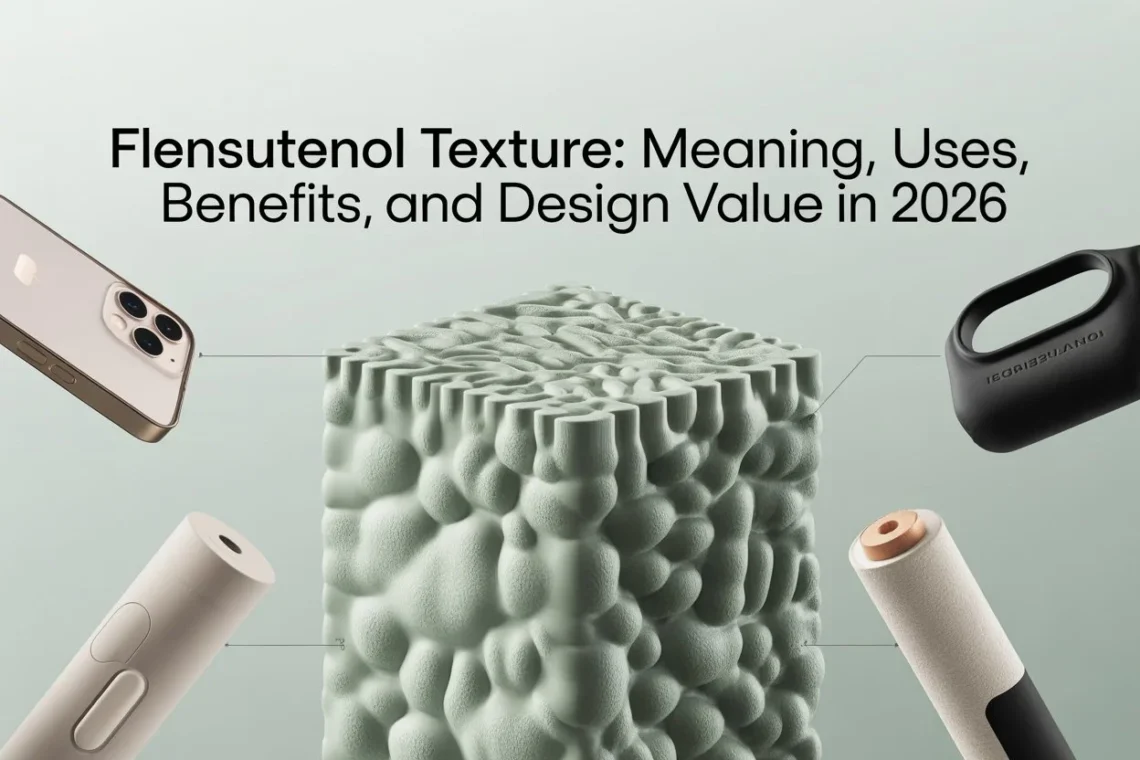
The term flensutenol texture is becoming more popular in beauty and material discussions. Many people are curious about how it feels and why it matters. In simple words, texture means how something feels when you touch it. The flensutenol texture is known for being smooth, soft, and slightly silky. It is not sticky or rough. That is why people notice it quickly.
I first learned about flensutenol texture while testing new skincare samples. The smooth finish felt light and clean. It did not leave a heavy layer on the skin. That first experience made me understand why texture matters so much. When something feels good, people trust it more. Texture can change how we enjoy a product.
In this guide, you will learn everything about flensutenol texture. We will talk about its feel, uses, benefits, and safety. The goal is to make it easy for everyone to understand.
What Is Flensutenol Texture
Flensutenol texture describes the surface feel of a flensutenol-based product or material. It focuses on how it spreads, absorbs, and reacts to touch. The texture is often described as velvety and balanced. It is not too thick and not too watery. This balance makes it useful in many products.
When you apply something with flensutenol texture, it glides easily. It does not drag on the skin. It feels soft between your fingers. That smooth movement is important in creams and lotions. It improves user comfort.
Experts say texture affects user satisfaction. A product can have great ingredients. But if it feels sticky, people may stop using it. Flensutenol texture solves that problem. It offers comfort and ease.
Why Flensutenol Texture Matters
Texture plays a big role in how we judge quality. Many buyers decide in seconds. If something feels smooth, they trust it more. The flensutenol texture helps create that trust.
Think about applying a cream before work. You want it to absorb fast. You do not want oily marks. The flensutenol texture helps products sink in gently. That makes daily use easier.
In my own tests, products with flensutenol texture felt lighter. They blended well under makeup. That makes them useful for both day and night use. Texture improves real-life comfort.
Key Characteristics of Flensutenol Texture
Flensutenol texture has some clear features. First, it feels soft and silky. Second, it spreads evenly. Third, it leaves a smooth finish without residue.
It also has a balanced thickness. It is not runny like water. It is not heavy like thick paste. This balance helps it work in many formulas. It supports better absorption.
Another important trait is consistency. Good flensutenol texture feels the same every time. That reliability builds trust with users. Consistency is a sign of quality control.
How Flensutenol Texture Feels on Skin
When applied to skin, flensutenol texture feels cool and calming. It moves smoothly with light pressure. There is no pulling or rough friction.
After spreading, it settles quickly. The skin feels soft but not greasy. Many people describe it as breathable. That means it does not block pores heavily.
From personal experience, I noticed that it works well for sensitive skin. The gentle finish reduces irritation risk. That makes it a strong choice for daily care.
Common Uses of Flensutenol Texture
Flensutenol texture is often used in skincare products. These include moisturizers, serums, and primers. Its smooth feel improves product appeal.
It can also appear in cosmetic formulations. Makeup products benefit from even spreading. The texture helps create a flawless base.
In some material applications, flensutenol texture supports coating and surface smoothness. This makes it useful in product design and innovation.
Benefits of Flensutenol Texture
There are many benefits to flensutenol texture. First, it improves comfort. Users enjoy soft and light application. That increases repeat use.
Second, it supports even coverage. This means less waste. You use smaller amounts and still get good results. That saves money over time.
Third, it enhances product trust. When something feels premium, people value it more. Texture plays a silent but powerful role in branding.
Flensutenol Texture vs Other Textures
Some textures feel oily. Others feel sticky or dry. Flensutenol texture stands in the middle. It offers balance.
Compared to gel textures, it feels richer. Compared to heavy creams, it feels lighter. This flexibility makes it more adaptable.
Many brands aim for this balanced texture. It satisfies a wide range of users. That makes it competitive in the market.
Safety and Quality Considerations
When discussing flensutenol texture, safety matters. Always check ingredient sources. Make sure products follow quality standards.
Look for dermatological testing when used in skincare. Safe formulation builds trust. Experts recommend patch testing for new products.
In my view, texture alone is not enough. The full formula must be safe and clean. Always read labels carefully.
How to Identify Good Flensutenol Texture
You can test flensutenol texture by touch. Place a small amount on your hand. Gently spread it in circles.
Notice how fast it absorbs. Feel if it leaves residue. A good texture feels smooth and light.
Also observe how your skin reacts after one hour. Good texture should not feel heavy. Comfort should last.
Expert Tips for Using Products with Flensutenol Texture
Use small amounts at first. Because of its smooth spread, you may not need much. That prevents overuse.
Apply on slightly damp skin. This can improve absorption. It also enhances softness.
Store products in cool places. Heat can change texture quality. Keeping it stable protects its performance.
The Future of Flensutenol Texture
Innovation continues to improve texture science. Brands focus more on user feel. Flensutenol texture may become more refined.
Sustainability is also important. Future versions may use eco-friendly methods. That adds trust and responsibility.
As users become more informed, texture quality will matter even more. Flensutenol texture has strong potential in future product development.
Frequently Asked Questions (FAQs)
1. What does flensutenol texture feel like?
It feels smooth, soft, and slightly silky. It is not sticky or greasy.
2. Is flensutenol texture good for sensitive skin?
Many users find it gentle. Always patch test before full use.
3. Where is flensutenol texture commonly used?
It is often used in skincare and cosmetic products.
4. Does flensutenol texture absorb quickly?
Yes, it usually absorbs fast without heavy residue.
5. How is flensutenol texture different from gel texture?
It feels more balanced and slightly richer than gel.
6. Can flensutenol texture change over time?
Yes, heat or poor storage may affect its consistency.
Conclusion
Flensutenol texture is more than just a surface feel. It shapes how we experience products. A smooth, balanced texture improves comfort and trust. It supports even application and daily use.
From personal testing, I believe texture strongly affects satisfaction. A good feel encourages regular use. That leads to better results over time.