
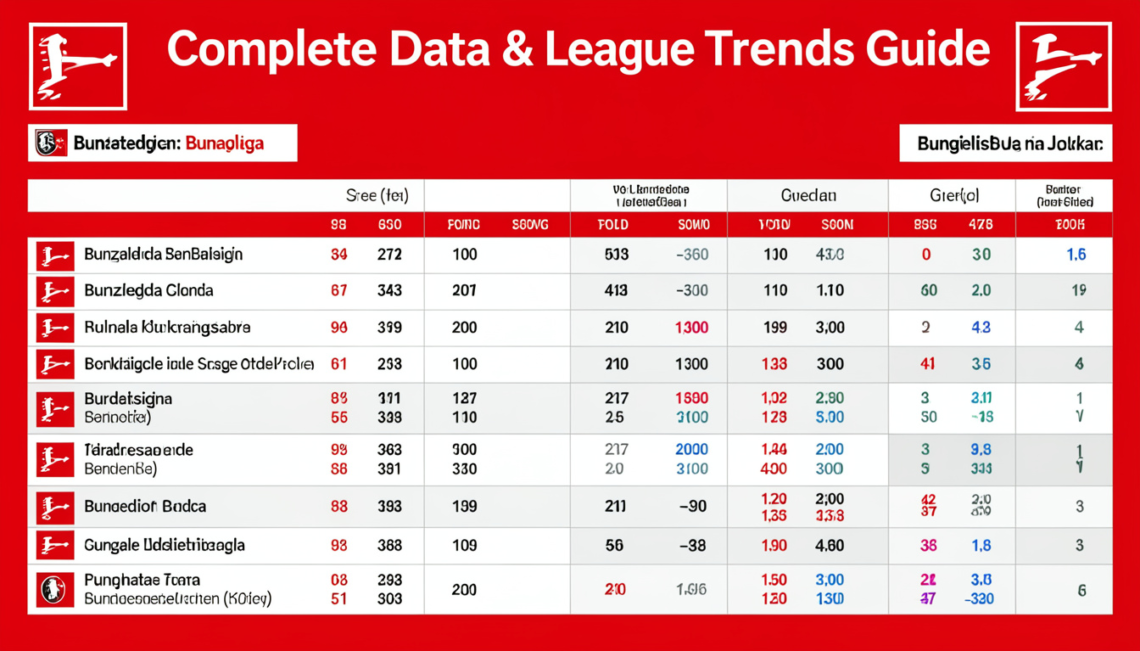
German soccer is famous for its fast pace, loud fans, and lots of goals. Fans love to study the numbers behind the matches. Getting the best estadísticas de bundesliga helps you know who will win the next big match. Data changes the way we look at teams like Bayern Munich or Borussia Dortmund. It turns simple guessing into true soccer wisdom.
Every weekend brings massive drama across Germany’s top stadiums. From golden boots to clean sheets, numbers tell the real story of the pitch. When you know where to look, you can see tactical trends before anyone else does. Let us dive deep into the numbers that shape this amazing sport.
Unpacking the Ultimate League Table
If you want to know who is winning, you need the estadísticas de bundesliga tabla de posiciones. The league board shows points, wins, and goal differences for all eighteen teams. A positive goal difference tells you if a team is truly strong or just lucky. It shows who rules the field and who struggles to keep the ball out of their net.
Looking at the most recent finished season, Bayern Munich dominated the charts with 89 points and a massive +86 goal difference. Borussia Dortmund followed in second place with 73 points. Tracking these points helps you see which teams will make it to the big European tournaments.
Discovering the Stars of Tomorrow
The top tier is great, but youth academies hold the future of global soccer. Looking at the estadísticas de bundesliga sub-19 lets you find young talents before they become household names. Germany has one of the finest youth systems in the world. Teenagers here play with incredible discipline and raw skill.
Academy metrics focus on individual development, pass completion rates, and defensive growth. Many world-class wingers and midfielders started right here in the Under-19 leagues. If you enjoy scouting fresh talent for your favorite teams, tracking youth data is a goldmine.
The Gritty Battles of the Second Division
The fight to reach the top tier is always brutal and highly entertaining. Fans regular review the estadísticas de bundesliga 2 to follow historical clubs trying to return to glory. Teams like Schalke 04, Hamburger SV, and newcomers fight hard every weekend. The second tier is often more unpredictable than the first division.
In the second tier, games are physical and tactical mistakes cost teams heavily. The numbers show higher numbers of fouls and close scorelines. If you want to find sleeper teams ready to shake up the top flight, this division is where you look.
Finding Real Meaning in League Standings
Understanding the numbers requires looking closely at the estadísticas de bundesliga posiciones. The table is divided into crucial zones that dictate a club’s financial and sporting future. The top four spots give teams a direct ticket to the elite UEFA Champions League.
Meanwhile, teams finishing near the bottom face the scary threat of dropping down. Every single point alters the live rankings on the weekend. A single goal in the 90th minute can lift a team three places higher or push them into the red zone.
High Stakes in the Relegation Matches
The end of the year brings extreme drama for teams at the bottom of the list. The estadísticas de bundesliga – play-off de descenso show the numbers from the two-legged survival battle. The team finishing 16th in the top tier plays the 3rd place team from the second tier. It is a high-pressure environment where history is made.
Statistically, these matches are filled with high tension, cards, and dramatic defensive plays. For instance, SC Paderborn recently won their way back to the top flight by defeating VfL Wolfsburg in a thrilling promotional playoff series. One game can save a club’s entire year or ruin it completely.
Comparing the Action With Neighboring Leagues
It is always fun to compare German soccer with other close nations. Looking at the estadísticas de bundesliga (austria) reveals how the Austrian top tier compares to its German brother. While the German version is bigger, the Austrian league offers high-scoring matches and great tactical pressing.
Austrian data helps scouts see if a player can survive the jump to the tougher German league. Goal scoring rates in Austria are usually quite high. This cross-border data comparison gives fans a much wider view of European football.
Looking Back at Historical Numbers
To truly understand where teams are going, we must look at past seasons like the estadísticas de bundesliga 22/23. That specific year featured one of the closest title races in modern history. Dortmund and Bayern fought until the final minutes of the very last matchday.
Reviewing historical data lets us see how point requirements have changed over time. It helps analysts figure out if teams are getting better defensively or scoring more goals overall. Looking back provides the context needed to understand today’s modern trends.
The Pressure of the Drop Zone Battles
No fan wants to see their beloved club suffer through the estadísticas de bundesliga – play-off descenso. The fear of leaving the top tier changes how teams play their matches. Managers become much more defensive, and players take fewer risks on the ball.
The numbers in these specific matches show a major drop in passing accuracy and a rise in long balls. The intense pressure affects even the most experienced veterans on the pitch. It is truly the ultimate test of mental strength in European sports.
How to Use Data for Smarter Insights
Smart fans look at estadísticas de bundesliga to build deep tactical summaries. Advanced data like expected goals (xG) and progressive passes tell you more than a simple final score. They show if a team is controlling the pitch or just getting lucky breaks.
When you mix standard tables with modern performance tracking, you become a soccer expert. You can spot when a struggling team is about to go on a long winning streak. Data gives you the power to see the game like a professional manager.
Conclusion
Soccer is a beautiful game, and numbers make it even more exciting to follow. Tracking estadísticas de bundesliga connects you deeply to the tactical heart of German football. Whether you follow the youth academies or the intense battle for survival, the data never lies. Keep studying the tables, enjoy the matches, and let the facts guide your football journey!
Frequently Asked Questions
What do the basic statistics tell us about German football?
The main numbers show that the German top tier has one of the highest goal-scoring averages in Europe. Teams play high-pressing soccer, which leads to exciting games and plenty of attacking chances for forwards.
Where can I find the official league table standings?
The official standings are updated instantly after every game on the official league website. You can view points, goal differences, and current form trends for all participating clubs.
How does the promotion and relegation playoff work?
The team that finishes in 16th place in the top tier must play a two-legged match against the team that finishes 3rd in the second division. The winner gets a spot in the top league for the next year.
Why should I care about youth league numbers?
Youth data highlights the best teenage players before they reach the senior squads. It gives you an early look at future national team stars and bright prospects.
Which team scored the most goals in the recent league season?
Bayern Munich was the highest-scoring team in the recent term, scoring an incredible 122 goals over their 34 league games.
What is the average age of players in the German top flight?
The competition features a great mix of youth and experience, with the average player age sitting right around 25 years old across the league.