
How Much Wet Food to Feed a Cat a cat the right amount of wet food can feel confusing. You want your cat to be healthy, but you also don’t want to overfeed or underfeed. The key is to base portions on your cat’s age, weight, activity level, and whether they are spayed or neutered. Wet food is great because it adds moisture to your cat’s diet and helps prevent dehydration. But too much wet food can cause weight gain, while too little can lead to malnutrition. In this guide, I’ll show you how much wet food to feed a cat in easy steps, with real examples and simple math. By the end, you’ll feel confident and stress-free about feeding time.
Why Wet Food Is Often Better Than Dry Food
Wet food is easier to digest, especially for older cats or those with dental problems. It also helps cats stay hydrated, which is important because cats often don’t drink enough water. Many cats also find wet food more delicious, which is helpful if they are picky eaters or have a reduced appetite. When deciding how much wet food to feed a cat, remember that wet food is higher in moisture and lower in calories per gram than dry food. This means your cat may need a larger portion by weight, but not by calories. A typical wet food can contain 70–80% water, so it fills your cat up faster and helps keep them satisfied longer.
How to Read Wet Food Labels (Calories & Serving Size)
To know how much wet food to feed a cat, start by reading the label. Most wet foods list calories per can or per ounce. A common guideline is that adult cats need about 20 calories per pound of body weight per day. But this changes based on age and activity. If your cat is very active, they might need more calories. If they are lazy or indoor-only, they may need less. A good rule is to check the calories, then compare with your cat’s ideal weight. For example, a 10-pound cat needs around 200 calories daily. If a wet food can has 100 calories, then two cans per day may be the right amount. Always adjust based on your cat’s weight and appetite.
Simple Wet Food Portion Guide by Cat Weight
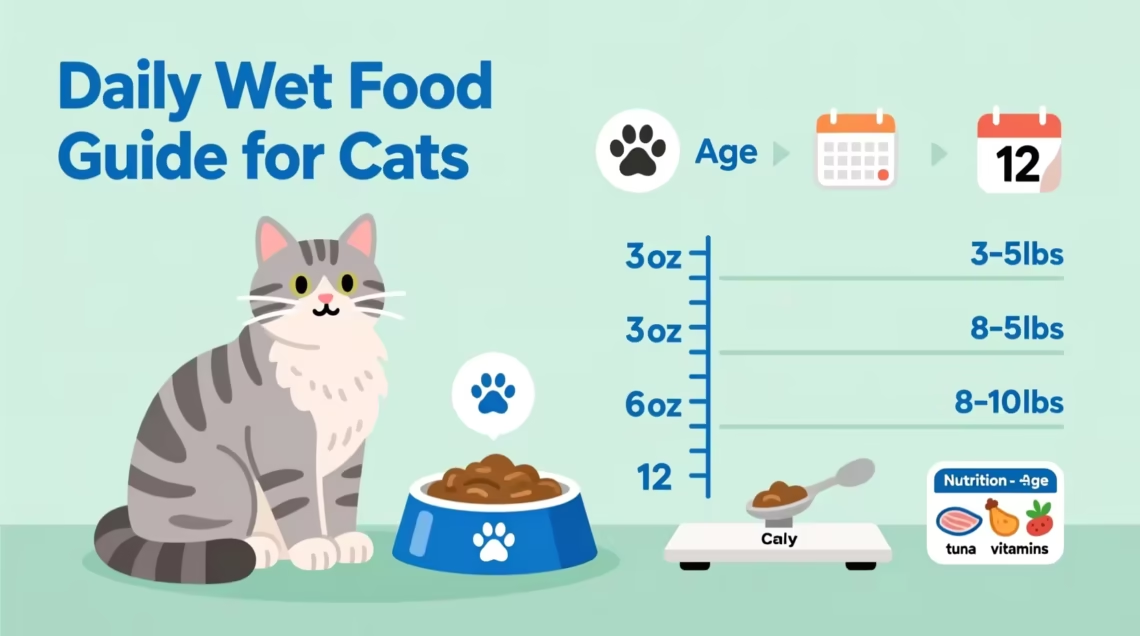
Here’s a simple portion guide to help you understand how much wet food to feed a cat:
- 5 lb cat: 1 can per day
- 8 lb cat: 1.5 cans per day
- 10 lb cat: 2 cans per day
- 12 lb cat: 2.5 cans per day
This is just a starting point. If your cat is very active or nursing, they may need more. If your cat is older or has a slower metabolism, they may need less. The goal is to maintain a healthy body condition. If your cat looks too skinny, increase portions slightly. If your cat is gaining weight, reduce the amount. The key is consistency and monitoring.
Feeding Kittens: How Much Wet Food to Feed a Cat Kitten
Kittens grow fast, so they need more calories and protein than adult cats. If you have a kitten, you may need to feed them wet food 3–4 times per day. Most kittens need around 50–60 calories per pound of body weight. For example, a 3-pound kitten may need 150–180 calories daily. This could be 2–3 small cans of wet food. Kittens also need frequent meals because their stomachs are small. If you are unsure, ask your vet to help calculate the right portion. Keep in mind that kittens should always be fed a diet specifically formulated for growth.
Senior Cats: Adjusting Portions for Aging Cats
Senior cats usually become less active and may gain weight if fed too much. However, some senior cats lose appetite and need smaller, more frequent meals. To decide how much wet food to feed a cat that is older, monitor their weight weekly. If they start losing weight, increase their portions slowly. If they gain weight, reduce portions and encourage gentle play. Wet food is especially good for seniors because it is softer and easier to chew. Some senior cats also benefit from wet food formulas designed for joint support and kidney health. Always check with your vet before changing their diet.
Spayed or Neutered Cats: Why Portions Change
Spayed and neutered cats often have slower metabolism. That means they need fewer calories to stay at a healthy weight. If you recently spayed or neutered your cat, you may need to reduce how much wet food to feed a cat. A simple method is to cut portions by 10–15% and monitor weight. If your cat starts gaining weight, reduce more. If they remain healthy, keep the same portion. Many cat owners notice weight gain after surgery, so portion control becomes very important. Always choose wet food that supports a balanced diet and does not include too many fillers.
Active vs. Lazy Cats: Portion Differences
The amount of wet food your cat needs depends on their activity level. Active cats who run, jump, and play all day burn more calories. These cats may need more wet food to maintain energy. Indoor cats that sleep most of the day need less. A good way to estimate is to watch their body condition. If your cat looks thin and their ribs are visible, they need more food. If they look round and have a belly, reduce portions. The best approach is to feed based on body condition rather than guesswork. That way, you can keep your cat fit and healthy.
Mixing Wet and Dry Food: A Balanced Feeding Plan
Many cat owners feed both wet and dry food. This can be healthy if done correctly. If you mix wet and dry, reduce the wet food portion to balance calories. For example, if your cat eats dry food in the morning, feed smaller wet portions in the evening. The total daily calories should stay consistent. Mixing food also helps with dental health and variety. Just be careful not to overfeed. It is easy to accidentally give too many calories when using two types of food. Use measuring cups and follow the label.
Hydration & Wet Food: Why It Matters
Cats are not great drinkers, so wet food helps keep them hydrated. Hydration supports kidney health and reduces the risk of urinary problems. If your cat eats only dry food, they may not drink enough water. When you feed wet food, your cat gets extra moisture naturally. This is especially important for older cats and those with kidney issues. Still, always provide clean water and refresh it daily. Some cats prefer running water, so consider a cat water fountain. A hydrated cat is a healthier cat.
How to Adjust Portions Based on Weight Changes
The best way to know how much wet food to feed a cat is to watch their weight. Weigh your cat every month. If their weight changes by more than 5%, adjust portions. If they gain weight, reduce food by 10%. If they lose weight, increase food by 10%. Don’t change portions suddenly. Gradual changes help prevent stomach upset. If you see rapid weight loss or gain, consult your vet. Sometimes health issues like thyroid problems or diabetes can affect appetite and weight.
When to Talk to a Vet About Feeding
If your cat is vomiting, has diarrhea, or suddenly loses appetite, talk to a vet. These symptoms can be signs of health issues. Also, if your cat is overweight or underweight, your vet can help create a feeding plan. Your vet may recommend a specific wet food formula or portion size. They can also test for medical issues that affect weight. Feeding the right amount is important, but health conditions matter too. A vet’s guidance helps ensure your cat stays healthy and happy.
Real Example: My Cat’s Feeding Routine
When I first got my cat, she weighed 9 pounds and was very active. The wet food label showed 90 calories per can. I calculated her daily calories at around 180–200 calories. That meant she needed about two cans a day. I split her meals into morning and evening. After two months, she stayed at a healthy weight and had a shiny coat. Later, she became less active, so I reduced her food to 1.5 cans. This kept her from gaining weight. This shows how much wet food to feed a cat can change over time. Regular monitoring is the key.
Conclusion
Knowing how much wet food to feed a cat is all about balance. Use the label, your cat’s weight, and their activity level as your guide. Start with a recommended portion, then adjust based on weight and body condition. Wet food is great for hydration and overall health, but portion control is important. If you want the best results, measure portions, monitor weight, and consult your vet when needed. Your cat will stay healthy, happy, and full of energy.
FAQs
1. How much wet food should I feed a 10 lb cat?
A 10-pound cat usually needs about 200 calories daily. If one can has 100 calories, then 2 cans per day is a good starting point. Adjust based on weight and activity.
2. Is wet food better for cats than dry food?
Wet food helps hydration and is easier to digest. It can also reduce urinary issues. Dry food can help teeth but is less hydrating.
3. How many cans of wet food should a kitten eat?
Kittens need more calories. They may eat 2–3 small cans per day, split into 3–4 meals. Always use kitten-formulated food.
4. Can I feed wet food only?
Yes, as long as it is complete and balanced. Some cats thrive on wet food alone, but always ensure the diet meets nutritional needs.
5. How do I know if I’m feeding too much wet food?
If your cat gains weight or becomes lethargic, you may be overfeeding. Reduce portions and monitor weight for 2–4 weeks.
6. Should I change portions if my cat is neutered?
Yes. Neutered cats often need fewer calories. Reduce portions by 10–15% and watch their weight.