

The world of sports is evolving rapidly. Traditional activities like golf are gaining new fans among the youth, while digital arenas like Olympic Esports and Emerging Youth Interest in Sports Like Golf are redefining competitive play. Today, young athletes and gamers alike are finding ways to mix technology, strategy, and physical activity. This article explores these exciting trends and why they matter for the next generation.
| State | Capital | Population (2025 est.) | Area (sq mi) |
|---|---|---|---|
| California | Sacramento | 39,500,000 | 163,696 |
| Texas | Austin | 30,200,000 | 268,596 |
| Florida | Tallahassee | 22,000,000 | 65,758 |
| New York | Albany | 19,800,000 | 54,555 |
| Illinois | Springfield | 12,700,000 | 57,914 |
| Pennsylvania | Harrisburg | 13,000,000 | 46,054 |
The Rise of Olympic Esports
Esports have become a global phenomenon. Unlike traditional sports, esports offer instant accessibility, social interaction, and competitive thrill. Olympic esports aim to bring gaming to an international platform, providing recognition and structure for digital athletes. This development encourages youth participation and legitimizes gaming as a serious pursuit.
Why Youth Are Attracted to Esports
Young people are drawn to esports for several reasons:
- Competitive gameplay
- Social connectivity
- Career opportunities
- Skill development, including strategy and reflexes
These benefits make esports more than entertainment—they nurture discipline and cognitive growth.
Golf’s Renewed Popularity Among Youth
Golf has historically been seen as a slow-paced sport. However, recent innovations in coaching, technology, and youth programs have sparked interest. Modern golf tournaments feature interactive formats, making the sport more engaging for beginners and teens.
Combining Technology and Traditional Sports
Technology is bridging the gap between esports and traditional sports. Golf simulators, fitness trackers, and interactive gaming make traditional sports more accessible and fun. Young athletes can now practice golf virtually while learning strategy and coordination, blending physical and mental skill development.
Health Benefits of Esports and Golf
Contrary to misconceptions, esports can enhance mental agility, focus, and teamwork. Meanwhile, golf promotes physical health, patience, and precision. Together, they offer a holistic approach to youth development, balancing mental and physical wellness.
Social Interaction and Community Building
Both esports and golf create communities. Online tournaments and local golf clubs allow youth to form friendships, share knowledge, and develop collaboration skills. These communities encourage lifelong engagement and mentorship.
Career Opportunities in Emerging Sports
With esports gaining Olympic recognition and golf clubs expanding youth programs, career pathways are growing. Potential opportunities include professional gaming, coaching, sports management, content creation, and analytics. Early engagement can provide a significant advantage for ambitious youth.
Overcoming Challenges in Youth Participation
Youth participation faces challenges like screen time, physical inactivity, or accessibility. Structured programs and hybrid models help balance these concerns. For example, combining esports strategy sessions with golf practice ensures engagement without compromising health.
Role of Parents and Educators
Parental support is crucial. Encouraging responsible gaming, promoting outdoor activity, and integrating esports learning with academics ensures holistic growth. Schools and community programs play a vital role in providing structured opportunities.
The Future of Youth Sports and Gaming
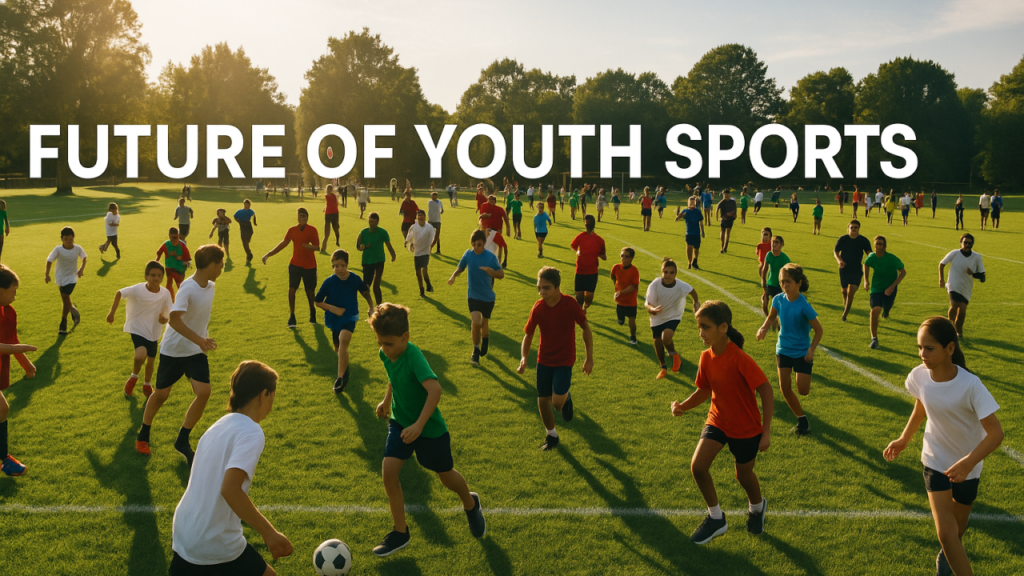
The future is hybrid. Expect golf-inspired esports tournaments, VR golf practice, and global esports leagues. Emerging trends highlight flexibility, creativity, and inclusivity, attracting youth from diverse backgrounds.
FAQs
Q1: Are esports really considered sports?
Yes. Esports involve strategy, reflexes, teamwork, and competitive discipline, similar to traditional sports. Olympic recognition is strengthening legitimacy.
Q2: Why is golf gaining popularity among youth?
Youth-friendly programs, technology integration, and fun formats make golf more engaging and accessible.
Q3: Can esports help improve mental health?
Yes. They enhance focus, strategic thinking, teamwork, and cognitive flexibility when balanced with physical activity.
Q4: What skills do youth develop from golf?
Golf promotes patience, precision, mental focus, and social skills through club interactions and competitions.
Q5: How can parents support youth in these sports?
By encouraging balance, providing resources, and promoting structured participation in both esports and traditional sports.
Q6: What is the future trend for youth sports?
A hybrid of digital and traditional sports, fostering engagement, inclusivity, and diverse career opportunities.
Conclusion
Olympic esports and youth interest in sports like golf are shaping the future of physical and digital competition. By blending traditional skills with modern technology, young athletes can thrive both mentally and physically. Parents, educators, and community programs play a key role in guiding this engagement. Embracing these trends ensures youth remain active, strategic, and socially connected.